

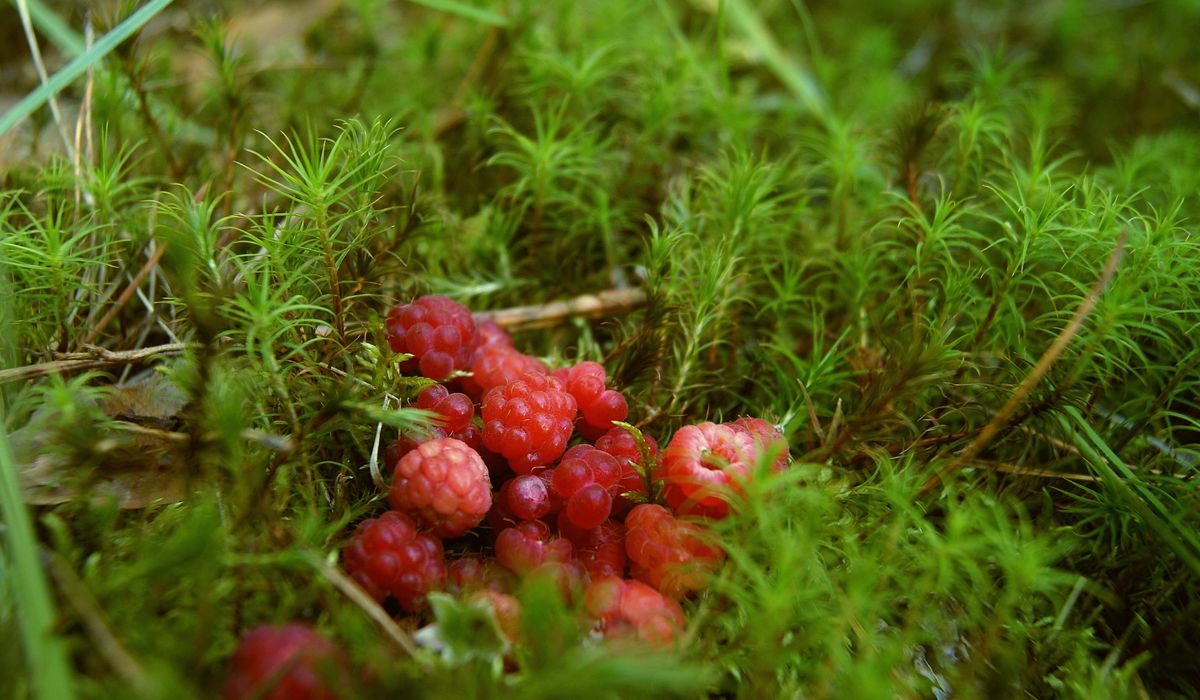
There are few pleasures in rural life quite like a hip flask of homemade sloe gin on a frosty walk, and few that begin so pleasantly as a late-autumn afternoon spent raiding the hedgerows. Sloes are the fruit of the blackthorn (Prunus spinosa), that dark, thorny shrub that lines our lanes and field edges and erupts into frothy white blossom in March — often before the last of the winter has loosened its grip. By October those flowers have become small, round, blue-black berries dusted with a soft grey bloom, and they are ready for the picking.
Eaten raw, a sloe will make you wince. It is mouth-puckeringly astringent, full of tannin, and tastes of very little beyond that. Steeped in gin with a little sugar, however, it transforms into something rich, almond-edged and deeply fruity — the classic winter liqueur that has warmed British fingers and loosened British tongues for generations.
The old advice is to wait until after the first frost, which softens the skins and sweetens the fruit. There is truth in it, but frosts are unreliable these days, and the more practical rule is simply to pick from late September through November. Early fruit is firm and tart; later fruit is softer, juicier and gives up its flavour more readily. If you can, hold out until October or early November.
Look for a slight softening when you squeeze a berry and a deep, dusky colour. Avoid anything shrivelled, mouldy or already splitting. And do taste one — a sloe that is merely face-scrunchingly sour is perfect; one that tastes of nothing at all has been left too long on the bush.
Every sloe needs its skin broken so the gin can get at the juice. Traditionalists sit with a darning needle or a fork and prick each berry individually — fiddly, meditative, and a fine job for a rainy evening by the fire. If you have a large haul, tip the sloes into a clean plastic bag and freeze them overnight instead. The ice crystals split the skins beautifully, and frozen fruit also helps draw out colour and flavour. You can prick and freeze if you like; you will not be arrested either way.
The classic proportions are simple and forgiving: 500g of sloes, 250g of white sugar, and one litre of gin. Some prefer a little more sugar, some a little less; taste and adjust next year. Any decent London dry gin works well — there is no need to spend a fortune, as the sloes will dominate.
You will see the liquid take on a deep, jewel-like ruby colour within days. That is exactly as it should be.
Sloe gin is drinkable after three months, but it is far better at six, and positively velvety after a year. Aim to make it in October or November and it will be ready for Christmas — though if you can bear to leave a bottle until the following winter, you will be rewarded.
When you judge it ready, strain the lot through a double layer of muslin or a clean tea towel into a jug, then decant into sterilised bottles. Do not squeeze the muslin too hard, or you will cloud the liqueur with fine sediment. Label the bottles with the date, and keep them somewhere dark and cool.
Do not throw the spent sloes away. They are excellent stoned and folded into dark chocolate truffles, stirred into a game casserole, or spooned over vanilla ice cream. Rural kitchens waste very little.
Serve sloe gin neat and lightly chilled in a small glass, or over ice. It also makes a fine long drink with tonic or a splash of sparkling wine, and a teaspoon stirred into a glass of fizz turns any ordinary evening into an occasion. A little poured over a Christmas pudding is no bad idea either.
Once you have mastered the basic method, the hedgerow is your playground. Sloe and damson gin, sloe vodka, a few cloves or a strip of orange peel added to the jar — all are worth trying. Make a bottle or two each autumn, give some away, and you will soon find that you never have quite enough. That, more than anything, is the sign of a job well done.

The Wise Dale No rushing, no fuss — just thoughtful notes and practical help, written by people who care.

The Wise Dale An honest, everyday look at the things that make life a little better — with advice you can actually use.

Low-impact camping means leaving no trace and respecting wildlife. This guide covers lightweight kit, responsible fires, toilet etiquette and choosing a quiet pitch.

Comments
ALina Kelian
19th May 2018 ReplyThe Wise Dale No rushing, no fuss — just thoughtful notes and practical help, written by people who care. ullamco laboris nisi ut aliquip ex ea commodo consequat.
Rlex Kelian
19th May 2018 ReplyThe Wise Dale Real stories, useful guides and the occasional recommendation, all in one calm corner of the web. ullamco laboris nisi ut aliquip commodo.
Roboto Alex
21th May 2018 ReplyThe Wise Dale Simple, genuine and looked after with care — the kind of place worth returning to. ullamco laboris nisi ut aliquip ex ea commodo consequat.